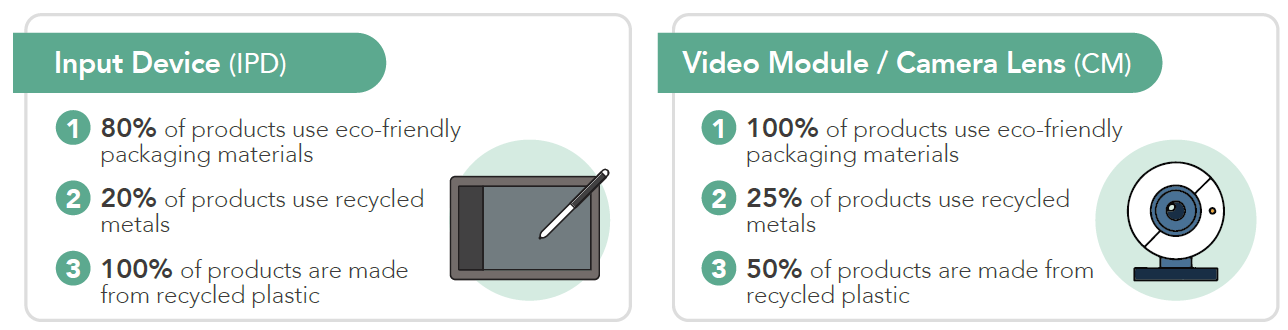
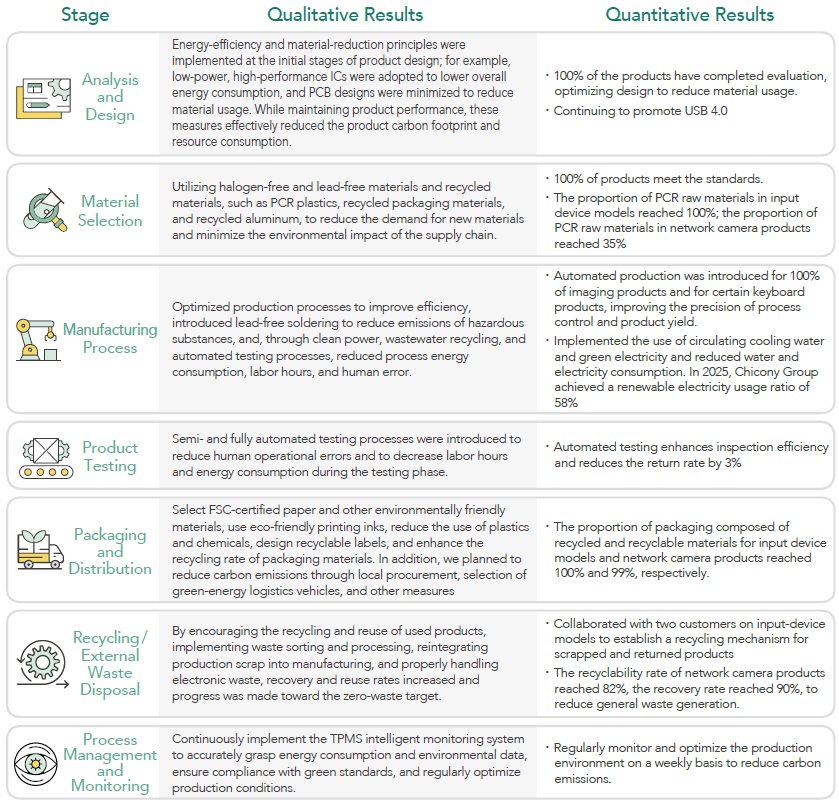
At CEC, we recognize that innovation is a key driver of sustainable development. We continuously invest in research and development to strengthen our technological capabilities and maintain industry competitiveness, while integrating ESG principles into our innovation strategy to advance sustainable product transformation. Throughout product development and manufacturing, we adopt a Product Life Cycle (PLC) approach, incorporating environmental considerations from product design through end-of-life management. While meeting customer expectations for functionality, quality, and durability, we strive to minimize environmental impacts across the product life cycle.
Guided by the KISS (Keep It Simple, Stupid) principle, we optimize product architecture at the design stage by reducing unnecessary components and avoiding overly complex designs. This approach not only enhances product performance and reliability but also improves resource efficiency by reducing material consumption and energy use during manufacturing. In addition, we actively adopt high-performance materials and lower-impact manufacturing technologies to ensure our products remain both environmentally responsible and commercially competitive. Through these efforts, innovation not only drives CEC’s sustainable growth, but also creates long-term value for our customers, society, and the environment.
Green Product Design and Manufacturing Process
Product Design Process and Result
Production Line Highlight Case Study - AI Data Analysis
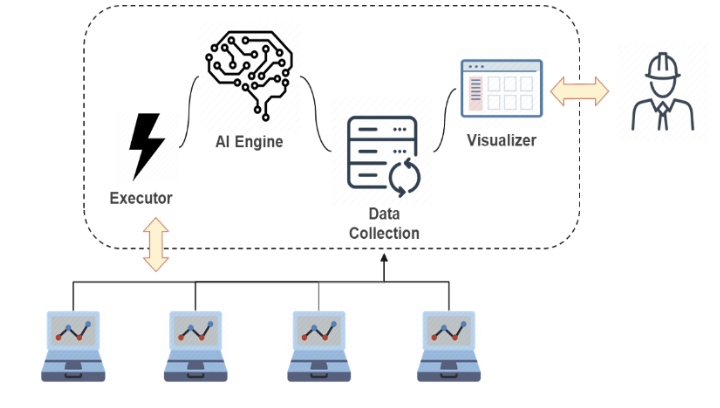
The AI decision-making engine automatically analyzes production data, providing intelligent scheduling and alert notifications, which assist managers in quickly identifying issues and optimizing processes. The integration of IoT devices with real-time video monitoring enhances management accuracy and includes features for historical data inquiry and comparison. It supports daily and weekly reports, assisting plant supervisors in continuously improving production efficiency.
Product Highlight Case Study- Smart Camera
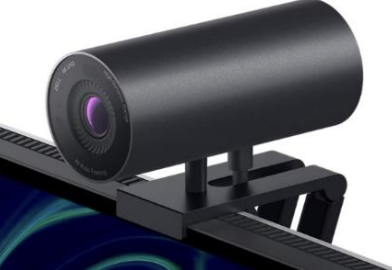
- The certification recycling rate can reach 87%, and the regeneration rate can reach 90%.
- The circular body and metal casing reduce wear and extend the service life.
- AI Smart Hibernate Mode, Efficient Energy-Saving Design.
- Fully recyclable as a complete unit
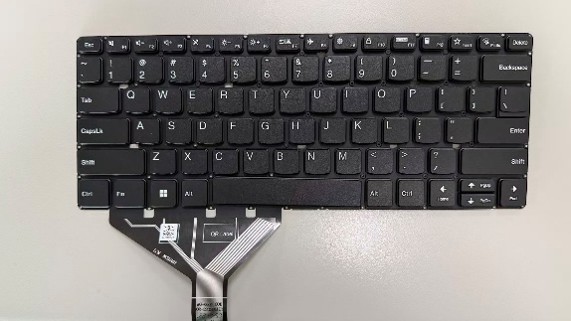
Product Highlight Case - Keyboard with Reduced Backlight Coating
- Reduction of coating layers to lower material usage and improve manufacturing efficiency.
- Decrease in chemical usage and electricity consumption.
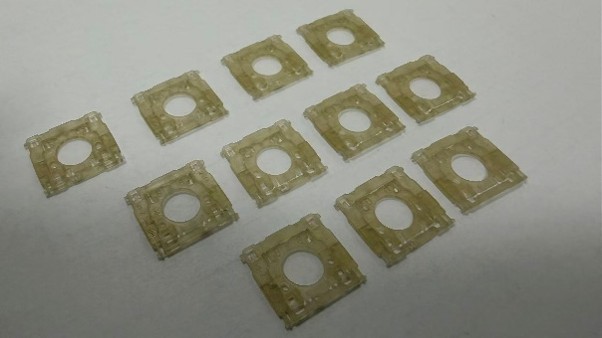
Product Highlight Case Study - Backlit Keyboard
CEC incorporates recycled ocean waste materials and natural oyster shell powder into keycaps and scissor-switch components of its keyboard products. This initiative reduces the use of virgin plastics, fossil-based resources, and chemical materials, while promoting resource circularity. The raw materials have passed UL third-party certification, and the finished products have been verified to ensure stable quality with no quality concerns. In addition, the oyster shell material has obtained BOKEN antibacterial certification, enabling a reduction in the use of antibacterial coatings. Furthermore, by eliminating additional surface coating processes, the recyclability and quality of recycled plastics are improved, enhancing the overall recyclability of the product.
1.The application of recycled materials (marine debris), in combination with natural materials, reduced waste generation.
2.Reduced the use of coatings and increased product recyclability.
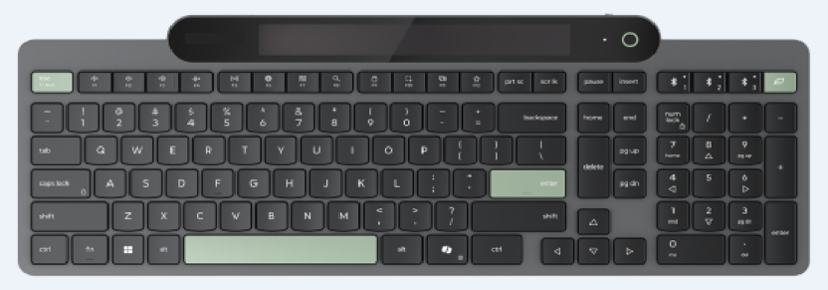
Product Highlight Case - Solar-Powered Wireless Keyboard
In 2025, CEC‘s keyboard R&D team continued to advance eco-design and product innovation, actively addressing material application challenges and expanding the use of recycled plastics and recycled metal materials to reduce dependence on virgin resources. In addition, selected products incorporated solar panel technology, helping to reduce electricity consumption during the product use phase. To further support product circularity, the top and bottom covers are designed with screw-fastened assemblies, improving product disassemblability and facilitating subsequent recycling, repair, and material recovery. Through these design improvements, we continue to enhance resource efficiency and strengthen the implementation of circular economy principles throughout the product life cycle.
1. Using environmentally friendly packaging materials that are easy to disassemble and recycle.
2. Implementing a solar power supply design to reduce the product’s power consumption.
Product Carbon Footprint
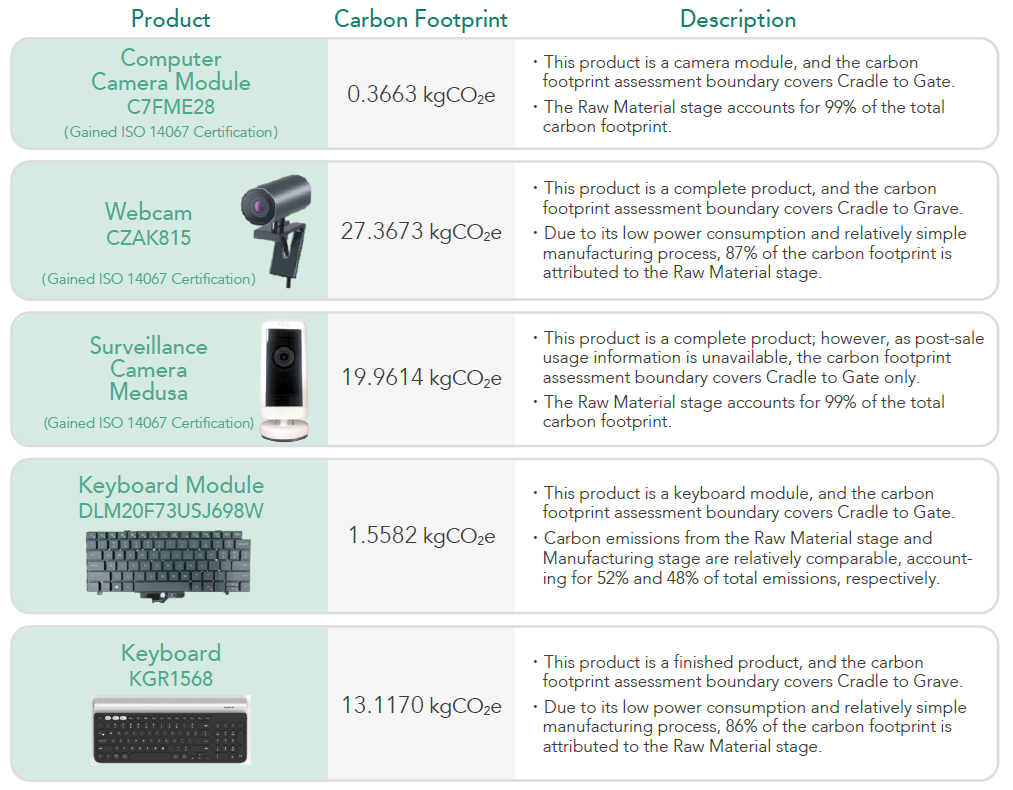
In 2025, under our existing ISO 14064 carbon management system and ISO 14067 product carbon footprint management framework, we launched the “Product Carbon Footprint Emission Factor Database and Carbon Hotspot Analysis Project.” The project aims to establish a comprehensive material emission factor database based on domestic and international datasets and to identify carbon hotspots across products and materials. Through these analyses, high-emission materials and design elements can be prioritized for material substitution, design optimization, process improvement, and supply chain decarbonization engagement. This approach enables CEC to transition from inventory-based carbon management to a data-driven decarbonization model, strengthening product-level emission reduction performance and accelerating our low-carbon transformation.
CEC's Progress in Promoting Sustainable Products